ZhongZe
Get a Quote
ZhongZe

The rotational molding industry has long been characterized by traditional casting methods and manual finishing processes. But as demand grows for more complex geometries, tighter tolerances, and faster turnaround times, manufacturers like Guangdong Shunde Zhongeze Mould Co., Ltd. are investing heavily in advanced CNC machining capabilities to stay ahead of the curve.
In this article, we explore how precision CNC machining is reshaping what's possible in rotomold mold production — and what it means for businesses seeking reliable, high-performance tooling partners.
For decades, cast aluminum molds represented the industry standard. They offered excellent heat transfer properties and sufficient durability for most applications. However, the natural limitations of casting — shrinkage variations, rough surface finishes, and extended lead times for design iterations — created bottlenecks for clients needing rapid prototyping or complex geometries.
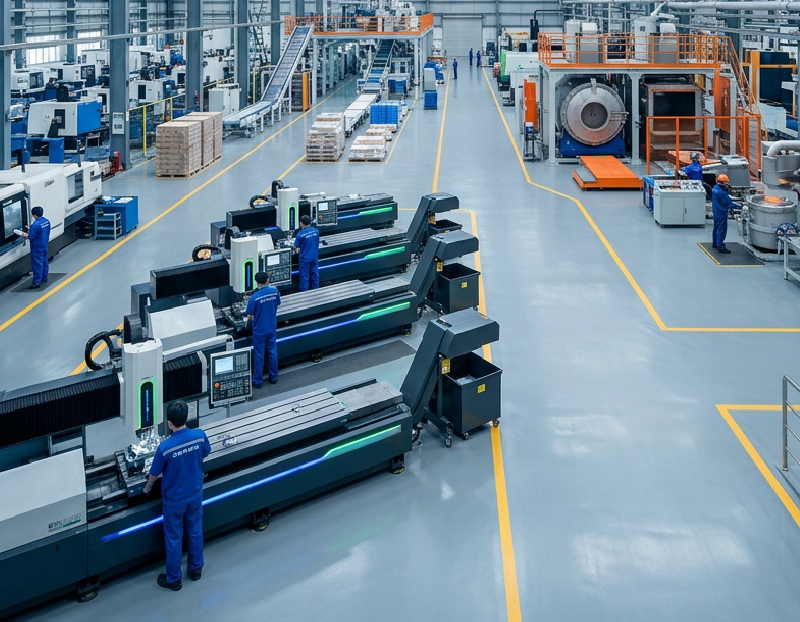
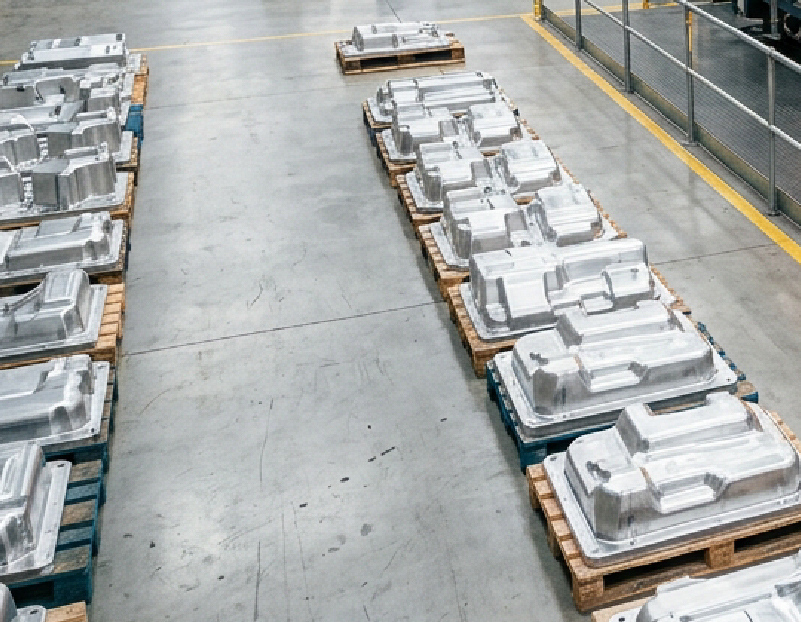
Today, Zhongeze operates a hybrid production floor where cast aluminum, CNC machined aluminum, and fabricated steel molds each serve distinct use cases. This diversification allows engineering teams to recommend the optimal tooling path based on part geometry, production volume, and budget constraints — rather than forcing a one-size-fits-all solution.
Modern five-axis CNC centers can achieve surface tolerances previously impossible with casting. For clients producing technical parts — medical equipment housings, precision fluid containers, or complex ducting systems — this accuracy translates directly to reduced assembly times and eliminated rework.
CNC machining produces mold surfaces with Ra values as low as 0.8μm, significantly better than cast finishes. This directly impacts the aesthetic quality of finished rotomolded products and can eliminate secondary finishing operations like sanding or coating in many applications.
Because CNC programs can be modified without remaking patterns or core boxes, design changes that once required weeks now take days. For startups and brands developing new product lines, this agility compresses time-to-market and reduces development risk.
"We invested in our first five-axis machining center in 2019. Within two years, we saw a 35% reduction in mold rework and a 50% improvement in first-pass yield for complex geometries. The equipment paid for itself through client retention alone."
— Mr. Liu Wenhai, Production Director, Zhongeze Mould
The real power of CNC machining emerges when integrated end-to-end with digital design workflows. Zhongeze's engineering team works directly from client CAD models, applying mold-specific modifications like draft angles, vent placements, and pinch-off geometries before generating CNC toolpaths.
This eliminates transcription errors common in manual moldmaking and ensures the manufactured tooling precisely matches the approved design intent. Full DFM (Design for Manufacturability) support means potential issues are caught during digital validation — before any metal is cut.
Whether you're producing 500 units or 50,000, the choice of mold manufacturing method has direct implications for:
For electric go-kart boat manufacturers and amusement park operators, these improvements translate to safer, more consistent products that withstand heavy commercial use while maintaining the visual standards guests expect.
Zhongze's roadmap through 2025 includes robotic tending systems for lights-out machining operations and in-process probing that automatically adjusts toolpaths based on real-time measurements. These investments will further compress lead times while maintaining the quality standards that have defined the company's reputation across 21+ export markets.
For procurement managers and product designers evaluating mold suppliers, we recommend requesting detailed tolerance specifications, surface finish guarantees, and evidence of in-house CNC capabilities — not just outsourced relationships. The difference in outcome can be substantial.

Chen Wei has covered rotational molding technology and precision manufacturing for over 12 years. He previously worked in R&D at a major European plastics machinery OEM before joining Zhongeze's content team.
Whether you need a custom mold, want to order go-kart boats wholesale, or just need 10 water tanks in a specific color — start here. We respond within 1 business day.



English

French

German

Portuguese

Spanish